
Asian American and Pacific Islander Heritage Month 2024
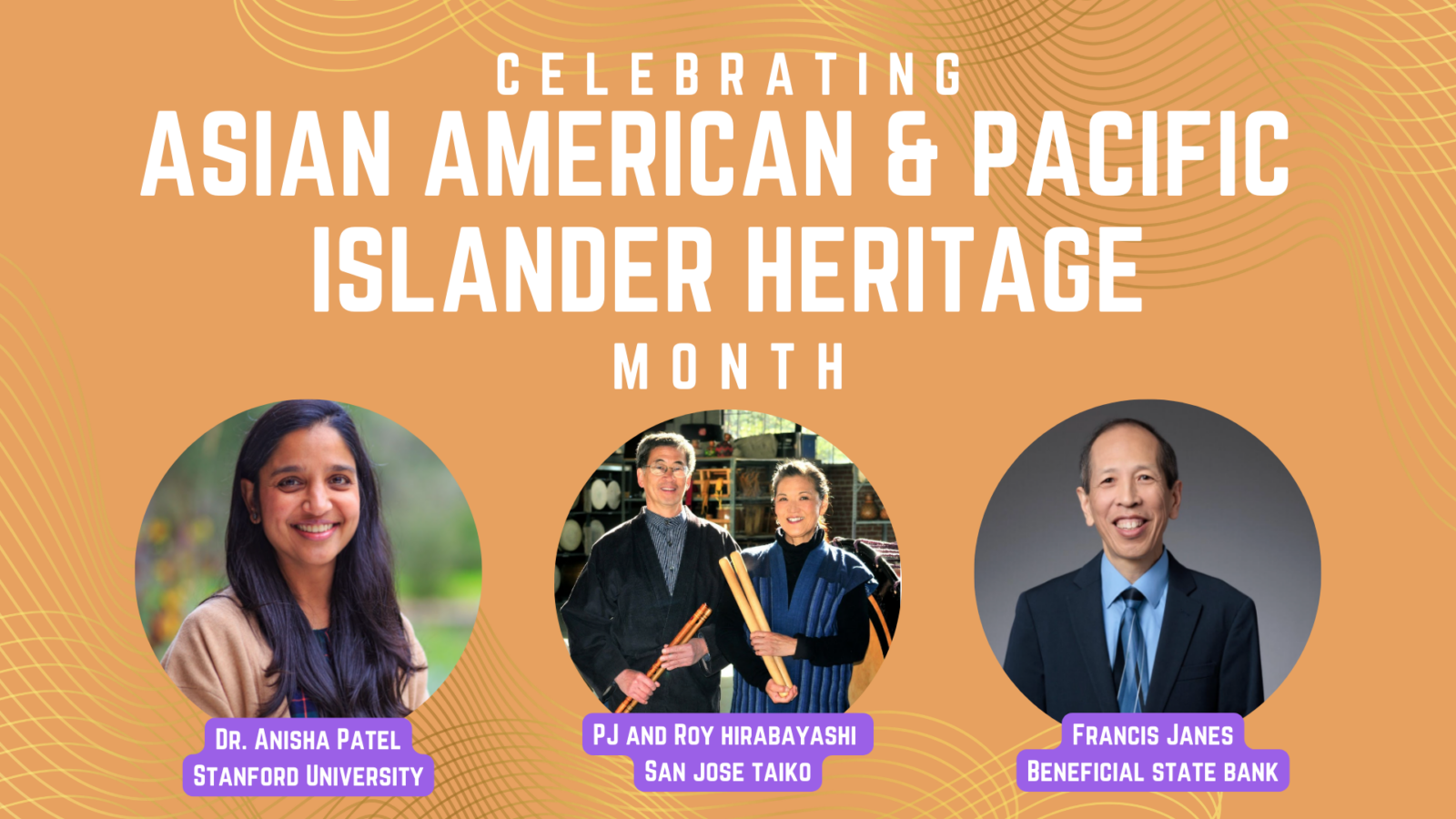
As we celebrate AAPI Heritage Month, it is fitting to recognize the contributions of Asian American and Pacific Islanders, and highlight the individuals who are currently blazing trails in all fields, including the arts, finance, and health. This May, we had the opportunity to connect with a few of the innovators we’re fortunate to work with, and asked them about the AAPI heroes they admire.
PJ and Roy Hirabayashi
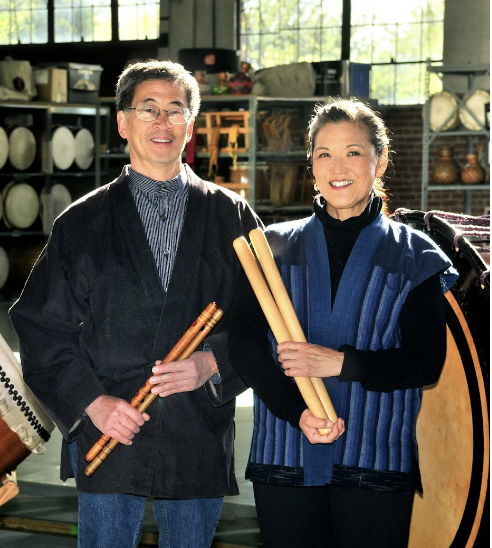
PJ and Roy Hirabayashi, co-founders and artistic directors emeritus of San Jose Taiko (SJT), celebrated 50 years of playing the Taiko (Japanese drum). In 2011, for their years of community-building and expanding the art form of taiko through SJT, the National Endowment of the Arts awarded them the National Heritage Fellowship, the nation’s highest honor in the folk and traditional arts. For their dedication to the craft, Roy and PJ have also received the SV Creates Legacy Laureate and the San Jose Arts Commission Cornerstone of the Arts awards. In addition, both have been mentors in the Alliance for California Traditional Arts Master Program. In 2017, they performed at the Smithsonian FolkLife Festival in Washington D.C., and the Library of Congress Noontime Series. They have continued performing, composing, and conducting workshops internationally. Some of their most recent work includes creating and recording the music soundtrack for the play “Valley of the Heart” by Luis Valdez, produced by the Mark Taper Forum in Los Angeles.
Who is your AAPI hero, and how have they inspired or influenced your work?
Nobuko Miyamoto is our AAPI hero. She is an icon of Asian American music and activism. Since the early 1970s, she has harnessed the power of the arts to drive social change and foster solidarity. Her words encapsulate the spirit of our movement: “We were creating a voice for our people. We were not only performing,we were organizing, digging for our roots, defining our dreams to transform ourselves and our world. Our rootedness enabled us to sing our stories across cultural boundaries.” Her contributions have been instrumental in shaping our narrative and amplifying our voices.
The Asian American Movement in the ’70s raised the political, social, and racial consciousness of Asian Americans through self-determination, grassroots organizing, community service programs “to serve the people,” and Asian American unity. The Movement became fertile ground for the development of our creative cultural expression. Nobuko’s music emotionally jolted us when we heard our stories for the first time being told through her songs. We felt visible and empowered. Her music was a seed of inspiration for our search for identity and purpose as Japanese Americans living in America. Taiko, the Japanese drum, became our calling with the founding of San Jose Taiko in 1973 in San Jose Japantown, one of only three historical Japantowns remaining in America. Taiko is a living art form—the voice and heartbeat of San Jose Japantown. Taiko holds the cultural values, history, and spirit for positive transformation.
Francis Janes
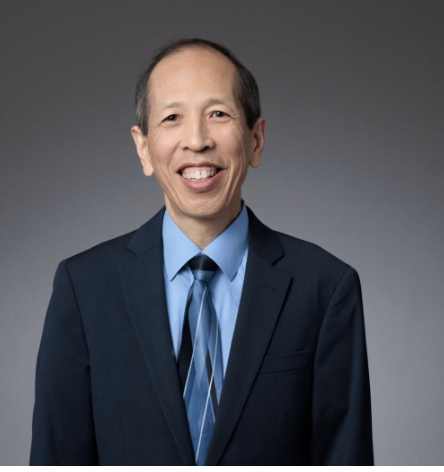
Francis Janes is the Director of Industry Relations and Partnerships at Beneficial State Foundation, the primary investor in Beneficial State Bank, a certified B Corporation dedicated to community development. With a focus on promoting Corporate Social Responsibility within financial institutions, Francis aids in fostering practices that prioritize the long-term well-being of all stakeholders. Before his tenure at Beneficial State Foundation, he held the position of Associate Director at the International Living Future Institute. With a background spanning various management roles in the financial services sector, including five years as Vice President at Beneficial State Bank, Francis brings a wealth of experience to his current role.
Who is your AAPI hero, and how have they inspired or influenced your work?
I will go with Michelle Yeoh and George Takei.
She (Michelle Yeoh) has inspired me by her relentless pursuit of excellence and her ability to adapt to shifting cultural norms and expectations. She has demonstrated a strong work ethic and shown incredible resilience in the face of personal and professional challenges. Her tenacity and commitment to her craft have resulted in her receiving one of the highest accolades of her profession – an Academy Award for Best Actress.
George Takei has been an important influence in my life because of his recurring role as Hikaru Sulu in the Star Trek franchise. At the time when George was cast as the helmsman of the USS Enterprise, there were virtually no roles for Asian American actors in Hollywood that were portrayed in a positive light. George continued to hone his craft as an actor over the years and eventually played the role of Captain Sulu in the Star Trek Voyager series and in a Star Trek movie. Having come out as gay in 2005, George has used his prominence to advocate for LGBTQ+ rights and for the rights for other marginalized communities. Drawing upon his life experience in an internment camp for U.S. citizens of Japanese heritage, George starred in the Broadway musical Allegiance and this musical production shed a powerful light on the internment experience.
Dr. Anisha Patel
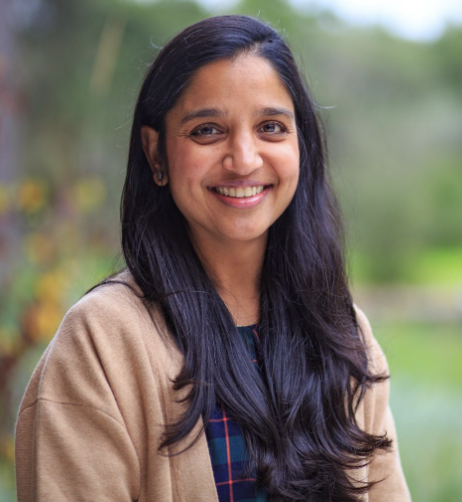
Dr. Anisha Patel, a Professor of General Pediatrics at Stanford, boasts an extensive educational background spanning various prestigious institutions. Leading the renowned Partnerships for Research in Child Health program, she employs a community-engaged research approach to address child health inequities, notably focusing on child nutrition and enhancing drinking water access. Her impactful scholarship, supported by grants from institutions like the National Institute of Health and foundations including the Robert Wood Johnson Foundation, informs national guidelines and policies. Dr. Patel’s accolades include numerous awards recognizing her contributions to pediatric research and mentorship, with a commitment to fostering diversity in health fields. As director of Stanford’s Office of Community-Engaged Research, she spearheads initiatives promoting health equity, while also serving in key administrative roles and providing pediatric primary care. Her dedication to research, mentorship, and community engagement underscores her multifaceted leadership in advancing child health equity.
Who is your AAPI hero, and how have they inspired or influenced your work?
As one of my initial mentors, Dr. Michael Cabana, Chair of Pediatrics at Albert Einstein College of Medicine and Physician-in-Chief at the Children’s Hospital of Montefiore, has been instrumental in shaping my career. Dr. Cabana’s personal scholarship extends beyond publishing scholarly papers to translating evidence into practices and policies that promote child health. His approach is one that makes meaningful impact and has served as a model for my own work in this field. In addition, Dr. Cabana generously facilitates connections within his extensive network of colleagues and is a tremendous sponsor, nominating mentees for awards and opportunities that significantly propel careers forward. Despite his expanding responsibilities as a Pediatrics Department Chair, Dr. Cabana remains incredibly generous with his time, recognizing that effective mentoring demands substantial dedication and energy. His pride in his mentees’ accomplishments surpasses his own, demonstrating his commitment to fostering their success. Beyond academic support, Dr. Cabana is also interested in his mentees’ families, lives, and passions outside of medicine. He never fails to ask about a child or a spouse and offers encouragement and advice about balancing personal pursuits with professional careers. I am immensely fortunate to have benefited from Dr Cabana’s mentorship. Now, I aspire to pay it forward by nurturing the growth of the next generation of scientists in their own career paths.