Financing the Future of Regenerative Agriculture
New Visions for Agricultural Finance
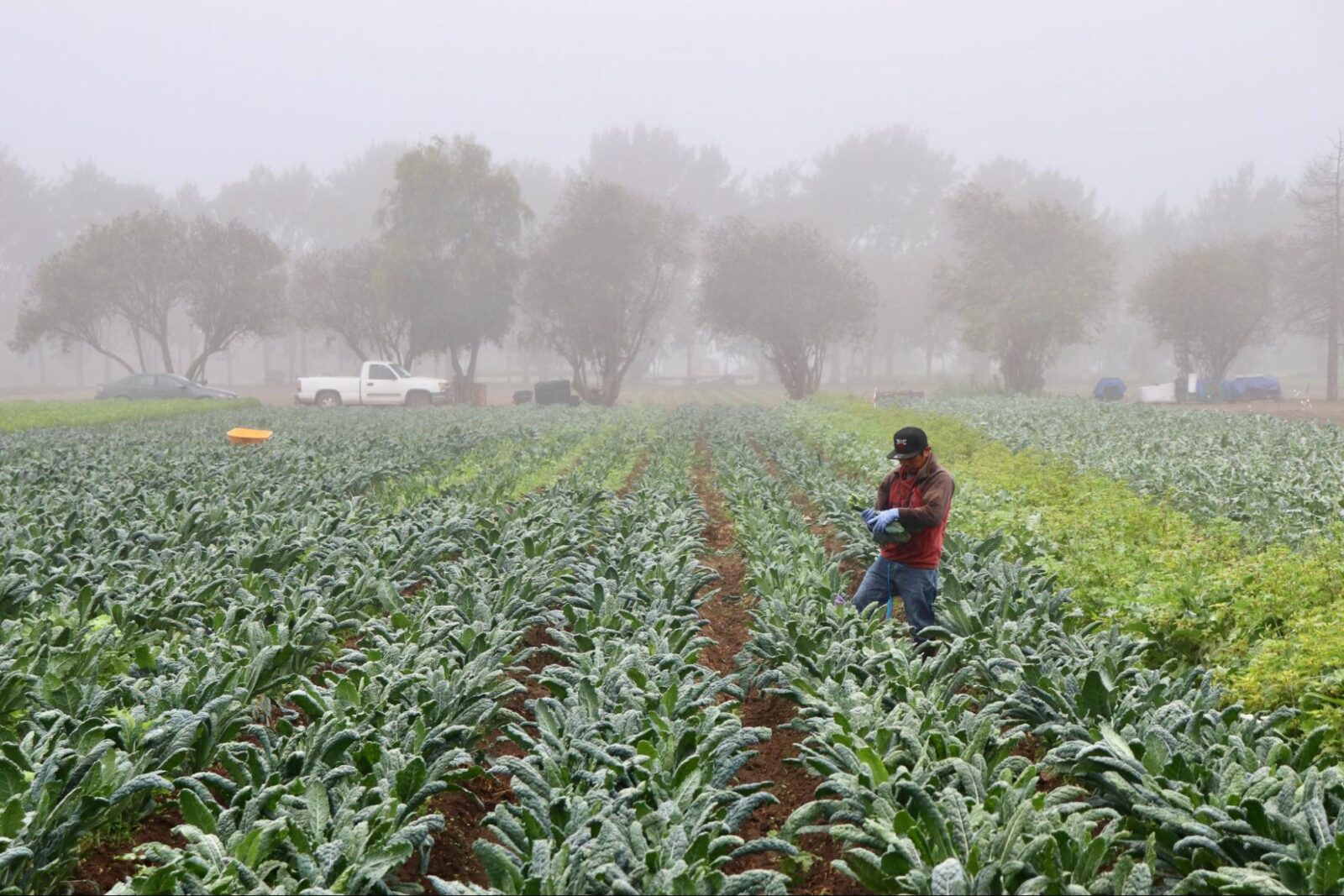
America’s current agricultural lending system is designed to favor large-scale commodity crop operations, creating a financial crisis for small farms across the nation. Larger loans are prioritized over smaller ones, and relationship-based lending has been replaced by a narrow set of qualifying criteria. As a result, small farmers and ranchers are being left behind. This system, known as Farm Credit, has evolved into a taxpayer-funded subsidy for large-scale commodity crops, including corn, soybeans, wheat, and rice. Annually, approximately 90 percent of all crop insurance payments, amounting to tens of billions of dollars, go to the largest 15 percent of farms. Meanwhile, smaller, regenerative, and organic farms and ranches are typically excluded from crucial risk management programs like crop insurance and other subsidies.
Farms transitioning to regenerative agriculture enhances the long-term productivity and viability of America’s lands and soils. These practices make farms more resilient to climate change and worsening crop losses. Regenerative practices aren’t just better for the planet—they can also be more profitable. But… the broad adoption of regenerative agriculture will continue to struggle without a robust financial ecosystem comparable to what is available for conventional agriculture.
By expanding access to lower-cost, flexible capital from lenders outside the traditional Farm Credit system, we can demonstrate the viability, profitability, and reliability of small producers under non-extractive lending conditions. At OKT, our thesis for change is simple: through courageous investment in innovative alternative lenders who champion the needs of small American farmers, the backbone of our local agricultural economies, we can transform agricultural finance together.
If you’re interested in supporting farmers’ access to less-extractive capital, the following pioneering organizations have been identified as better-serving small American farmers.
Akiptan is a Native American Community Development Financial Institution (CDFI) that provides loans and technical assistance for startups, operating costs, and ownership to those in Native Agriculture. Additionally, they offer alternative loan repayment options, such as interest-only payments for several years before paying the principal, decreasing initial costs, and freeing up capital for immediate growth.

California FarmLink is a CDFI non-profit business lender, dedicated to supporting farmers, ranchers, and fishers. They offer fair and flexible loans without minimum credit score requirements and accommodate people with challenging credit histories or minimal credit, ensuring that financial services are accessible to those traditionally underserved. California Farmlink also supports first-time borrowers with technical assistance and provides discounted rates to borrowers who complete their business training courses.
Dirt Capital Partners invests in opportunities that deliver across the four themes of its impact framework: ecological stewardship, farmer equity, community benefits, and field building. Dirt uses its impact framework to consider new investments and allocate its resources, weighing a project’s impact and financial return together. Dirt Capital Partners seeks to achieve these outcomes across their portfolio, and each project individually does not need to address all impact outcomes.
Fractal invests alongside farmers as a minority partner in their farmland, helping them unlock equity to finance growth while keeping majority ownership, title, and operational control. Using our technology platform, we provide fair, transparent farmland valuations that align farmer and investor interests around economic and regenerative outcomes. Farmers can buy out Fractal after two years or choose to roll over the investment at the end of a 10-year term.
Grounded Capital is a private equity firm pursuing a different model of capitalism, investing long-term capital primarily in farms, ranches and established, mission-driven food companies. The firm partners with farmers and companies that operate from a place of integrity and can serve a role in building a more regenerative food system from soil to consumer. Based in San Francisco, Grounded manages investments that include equity and debt through its funds and separately managed accounts.
Iroquois Valley® provides capital to organic, regenerative, and transitioning farmers across the United States through long-term leases and mortgages. Structured as a real estate investment trust (REIT), a public benefit corporation, and a B Corp, we offer impact-driven investors the opportunity to finance the transformation of our agricultural system in partnership with farmers. Since our founding in 2007, we have directed over $125 million in investments into transitioning over 35,000 acres of organic agriculture. Our goal is to make organic, regenerative agriculture the norm, not the exception, to benefit the health of the soil and of future generations.
Mad Capital is a financial services company that supports regenerative and organic farmers. Their main focus is providing creative capital solutions that help farmers transition away from conventional, extractive agriculture and into regenerative systems with a strong focus on holistically managing livestock and regenerative organic systems. Mad Capital focuses on private credit, including mortgages, operating loans, transition loans, equipment and infrastructure financing tailored to the unique realities of regenerative and organic farming (where cash flows and risk profiles look different from conventional farming).
Potlikker Capital is a nationally focused charitable loan fund advancing racial and climate justice through access to capital, capacity, and connection. Potlikker partners with clusters of underserved food producer and processor communities across the country to strengthen land security, market power, and governance. Their approach at the individual, community, and systems levels aims to help create the conditions for resilience, enterprise sustainability, and a more equitable food system.
Steward Regenerative Capital is a portfolio of secured loans made to a diverse collection of regenerative farms, ranches, fisheries, and food producers. Steward provides short-term, direct-to-project, bridge loans, giving regenerative farms swift access to the funds they need to keep growing. Through Steward, lenders can support regenerative agriculture operations while receiving a fixed 6.50% annual interest rate, paid monthly.

Walden Mutual Bank enables anyone to make positive and lasting change in the ecosystems that sustain us – beginning with food. They accept deposits from individuals, businesses, and non-profits who want to make an impact with their dollars. They lend those funds to sustainability-oriented organizations, with special focus on farms and food businesses. The word “mutual” in their name means cooperative, as they’re governed by their depositors, and funded by those with a bias towards the long-term – engineered to endure the test of time.
This list is provided solely for informational purposes and does not constitute an endorsement or recommendation by the Office of Kat Taylor.