
A Transformative Year BECAUSE We Are All Navigating Change and Complexity

Dear Partners and Allies,
As 2025 draws to a close, we are pausing to reflect on the year’s accomplishments. It has been an enriching year for the Office of Kat Taylor as we have continued to learn how best to nourish children and communities, reshape a fairer financial system, and strengthen regenerative systems for all. This progress unfolded amid a challenging, rapidly shifting political climate. Rather than slowing us down, these headwinds galvanized our team and partners to deepen our collaboration on mutual goals. We are proud of the meaningful impact we’ve achieved together, but know there is much more for us to do.
In stormy times, it has proven even more important to harken back to our theories of change:
- First, banking and finance dominantly drive the economy. The economy and business drive more outcomes than philanthropy and government together could ever clean up, much less determine. If we get anything right, it has to be finance. Finance should be the most powerful form of crowdfunding: the way we deploy our resources, stored as deposits or investments, to achieve all that we want, need, and deserve — and nothing that we don’t — as members of a global economic exchange.
- Second, agriculture is the part of our energy system best positioned to address climate change and other environmental challenges. With the right practices, it could eliminate up to 30-40% of global greenhouse gas emissions by rebuilding our largest and nearly unlimited carbon sink: healthy soils. In doing so, it also increases biodiversity above and below the ground, improves water quality and availability, strengthens food systems, revitalizes rural economies, and restabilizes our democracy because everyone does better together.
If this year taught us anything, it’s that our work is grounded in a set of principles that must continue to guide us:
- We CANNOT separate environmental well-being from social justice. These must remain our two-sides-of-the-same-coin holistic targets if we’re serious about lasting, systemic change.
- Finance must be a force ONLY for good. From rethinking agricultural lending to securing regenerative business models, from banking on Main Street to capital markets, we must reward sharing and resilience and banish extraction.
- Changing the status quo IS required. Those who have the power to change the status quo rarely do because it’s from whence their power comes, but that’s a futile resistance. Whether in business, policy, or philanthropy, we resist “business as usual” and take principled risks that move us toward a more just economy and, therefore, a better civilization.
Across our key initiatives, these theories and principles materialize in different ways. Still, they all reflect a shared goal: to build a just, regenerative future where all people and the planet can thrive.
Driving Systems Change in California Food & Land Systems
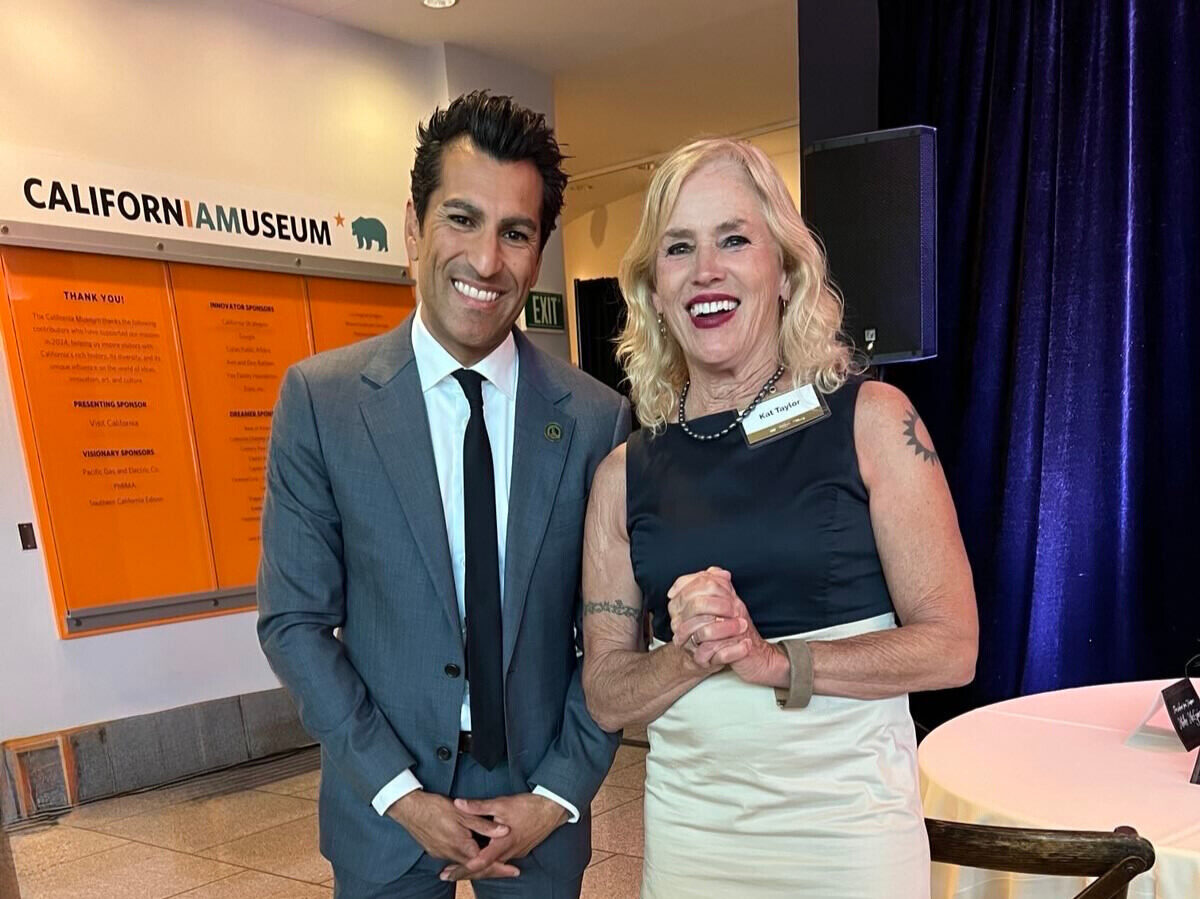
Assembly Speaker Rivas with Kat Taylor
In a pivotal year, working alongside our critical partners, we advanced legislation and budget appropriations to restore a resilient, healthy food system that benefits all Californians. These wins eliminated toxic food dyes and ultra-processed items from school food, secured more funding for kitchen infrastructure and training needs to fully implement healthy school meals for all, and began to level the playing field for regenerative agriculture to compete in the incumbent industrial system. When people, communities, and institutions have a fair choice, they can make better decisions. Read more about the bills and state investments we supported this year that were recently signed into law by Governor Newsom.
These legislative and budget accomplishments focused on cultivating diverse and resilient food systems, changing the financial system for good, and deepening investments in school meals for all. They would not have been possible without all of our partners. Thank you to our legislative champions — Governor Newsom, First Partner Siebel Newsom, former Senate pro Tempore McGuire, Assembly Speaker Rivas, and Budget Chairs Assemblymember Gabriel and Senator Wiener — for their deep commitment to our shared vision of a California built for and by all Californians.
School Meals for All:
California Continues to Lead the Way!
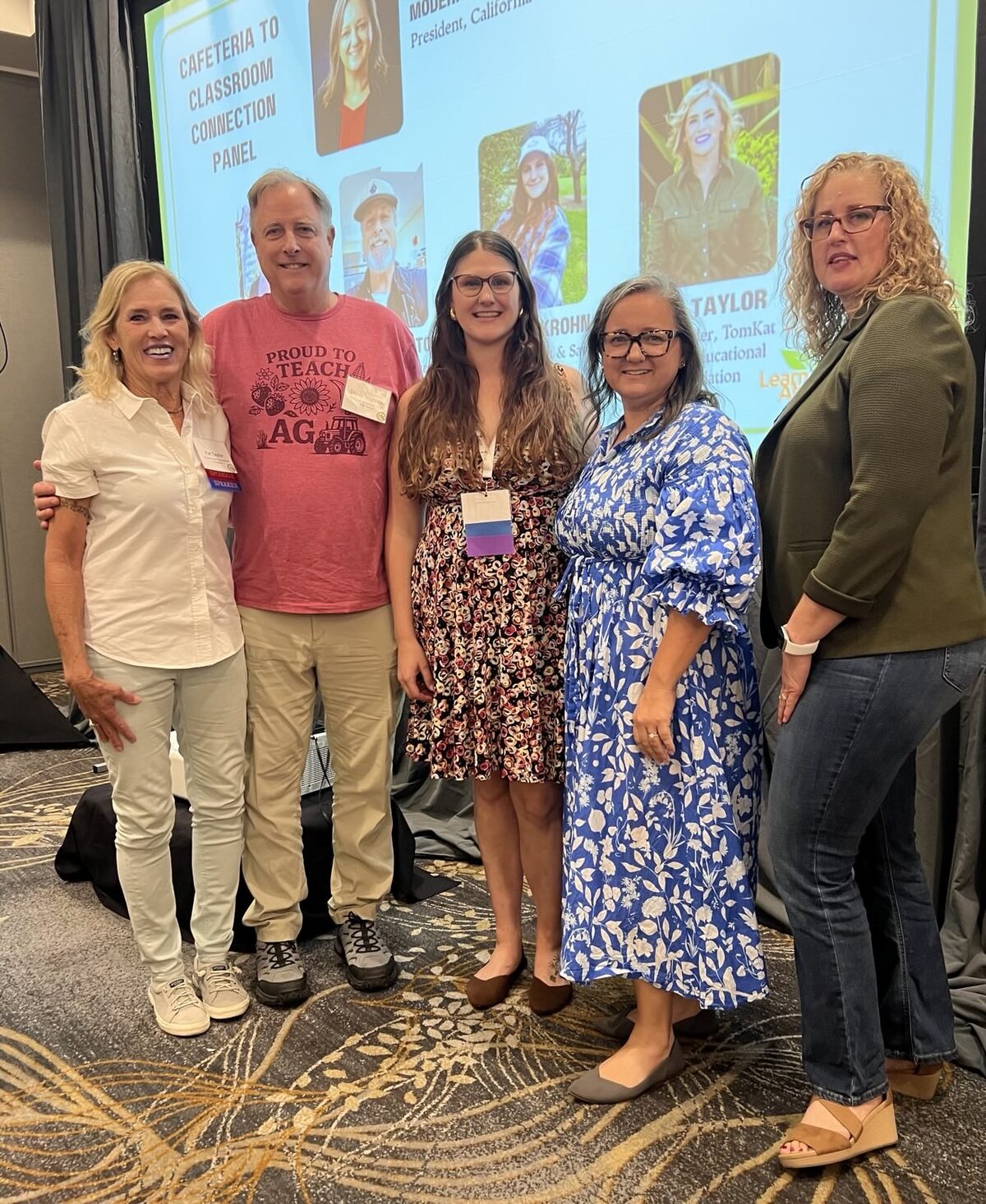
Kat Taylor with California Agriculture in the Classroom speakers (L-R: Kat, Steve Hazelton, Leo A. Palmiter Junior and Senior High School; Lauren Krohn, Sprout and Savor Nutrition; Shannon Douglass, California Farm Bureau; and Michelle Drake, Elk Grove Unified School District).
California’s bold commitment to nourishing every student with free breakfast and lunch, regardless of income, continues to make remarkable progress. Given the high cost of living in California, many of our students did not qualify for Federal free and reduced meals, but now benefit greatly from free school breakfasts and lunches. These meals defray a significant household expense during the affordability crisis, prepare students to learn and thrive throughout their lives, and shift the California food supply chain toward more environmentally sustainable and healthy production. Despite declining school enrollment, participation increased 9% (73 million more meals) in 2024-25 compared to 2022-23, while students and their families were also freed from the brutal stigma and debt imposed by the former system.
To meet this demand, school kitchens across the state are expanding their capacity to prepare more freshly made, locally sourced meals, supported by the state’s Kitchen Infrastructure and Training (KIT) investments. These funds help schools upgrade equipment and infrastructure, strengthen culinary skills, and partner with more California farms, upholding the critical food and agriculture sector of the California economy. Upgrading to freshly prepared meals also enhances the skill set and marketability of our essential food service workers for their own sustainability. Healthy School Meals for All represents an important public good that lifts up all Californians and the California economy.
This year, the Office of Kat Taylor highlighted California’s leadership in healthy school meals at major conferences. Hosted in the U.S. for the first time, Kat joined Alice Waters, Chef Ann Cooper, and Sacramento City Unified’s Kelsey Nederveld at the global Terra Madre Americas festival to discuss how universal meals advance equity and sustainability. She also spoke at the California Agriculture in the Classroom conference, emphasizing how free, nutritious meals provide financial relief to families while creating new markets for local, small- and mid-sized California farmers, and help students understand where their food comes from.
Agricultural Platform Collective:
A Year Rooted in Trust & Impact
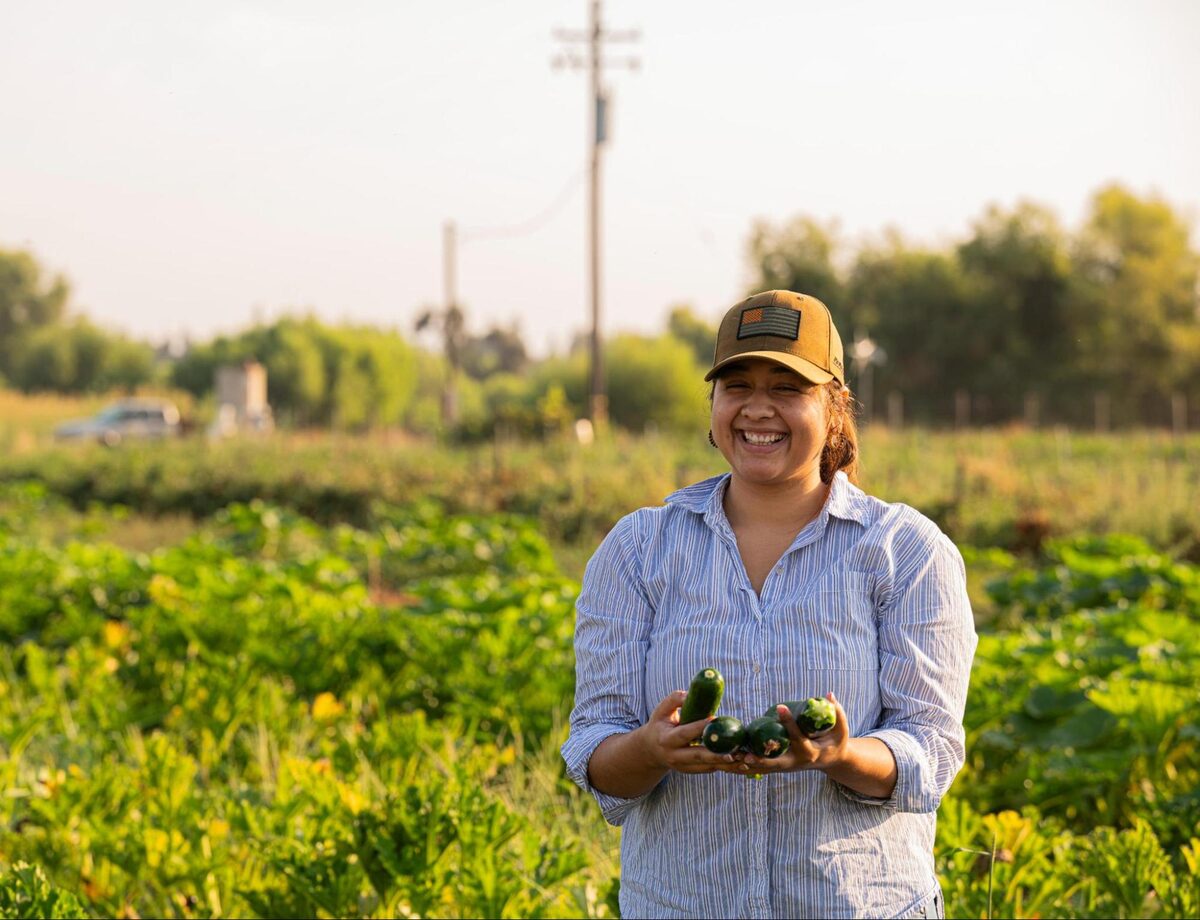
Saira Ambriz, Owner, Ambriz Farms (Sanger, CA). (Photo credit: Angel Parra Melchor)
In its first full year of operations, the Agricultural Platform Collective (APC) helped almost 30 small, underrepresented farmers across the Central Valley collectively earn over $2.5 million in direct sales, with every dollar going straight to producers. Farmers repeatedly told us that APC offers something they rarely receive: economic stability to build a business and a life around it.
“Costs keep rising, but wholesale prices haven’t changed in decades. APC’s consistent orders helped me finally plan upgrades and look toward next season with more confidence.”
— Macy Xiong, farms 60 acres of lemongrass, green beans, and Asian specialty crops in Fresno.
Buyers felt the impact, too. During the wildfire relief effort, APC’s partnerships with the Altadena Farmers Market, World Central Kitchen, Asian Americans for Housing and Environmental Justice and TheFruitGuys showed what a values-aligned regional supply chain can make possible. Sourcing through APC enabled their team to fulfill larger orders through aggregation by multiple small farms at once, while maintaining product quality and keeping dollars circulating locally in the community.
“Buying from local farms isn’t charity — it’s infrastructure. When you pay a fair price, you’re not just feeding people for a day. You’re investing in their future.”
— Rafaela Gass, Altadena Farmers Market.
APC’s partner collaborations proved that when distribution, technical assistance, and relationships move together, farmers gain room to breathe and build their businesses, and communities receive food grown with care and dignity. These outcomes validate our overarching commitment to ensure that the programs and models we are building provide an economic benefit to everyone in the communities we serve and create public good to societies at large.
TomKat Ranch Educational Foundation:
Impact Report — 14 Years of Regeneration in Action

This year, the TomKat Ranch Educational Foundation (TKREF) released its Impact Report, covering activities from 2010 to 2024. The report reflects 14 years of advancing regenerative agriculture through gatherings, education, research, and collaboration.
Our belief is that only livelihood-based business models will scale conservation, and we aim to provide producers with the data, finance, and markets that enable that across all our food production systems. Working hand-in-hand with their network of partners, TKREF has helped expand regenerative practices across more than five million acres – building connections among schools, ranchers, government agencies, investors, and the diverse communities of plants and animals that make up thriving ecosystems. The Rangeland Monitoring Network, originally inspired by TKREF and our on-site science partners at Point Blue Conservation Science (formerly Point Reyes Bird Observatory, with nearly 60 years in the field), now represents over 100 ranches across California and has been collecting shared data sets for over 10 years.
“We envision a future where holistic, regenerative practices are the cornerstone of land stewardship nationwide, nurturing thriving ecosystems and sustainable communities for the generations to come.”
— TKREF Impact Report
As a co-founder alongside Tom Steyer, Kat shared her vision for the future of food systems in a brief video message that accompanies the report. In the video, Kat talks about the importance of returning to regenerative practices rooted in Indigenous wisdom, fostering modernized and decentralized food networks for resilience and regional autonomy, and how each of us can contribute to this movement through our daily choices–from what we eat to how we vote.
TKREF’s work shows how regenerative land management practices, grounded in longstanding wisdom, science-based insights, and community partnership, reinforce the exact systems change we’re advancing through policy, finance, and advocacy.
Advancements in Equitable Community-Led Development
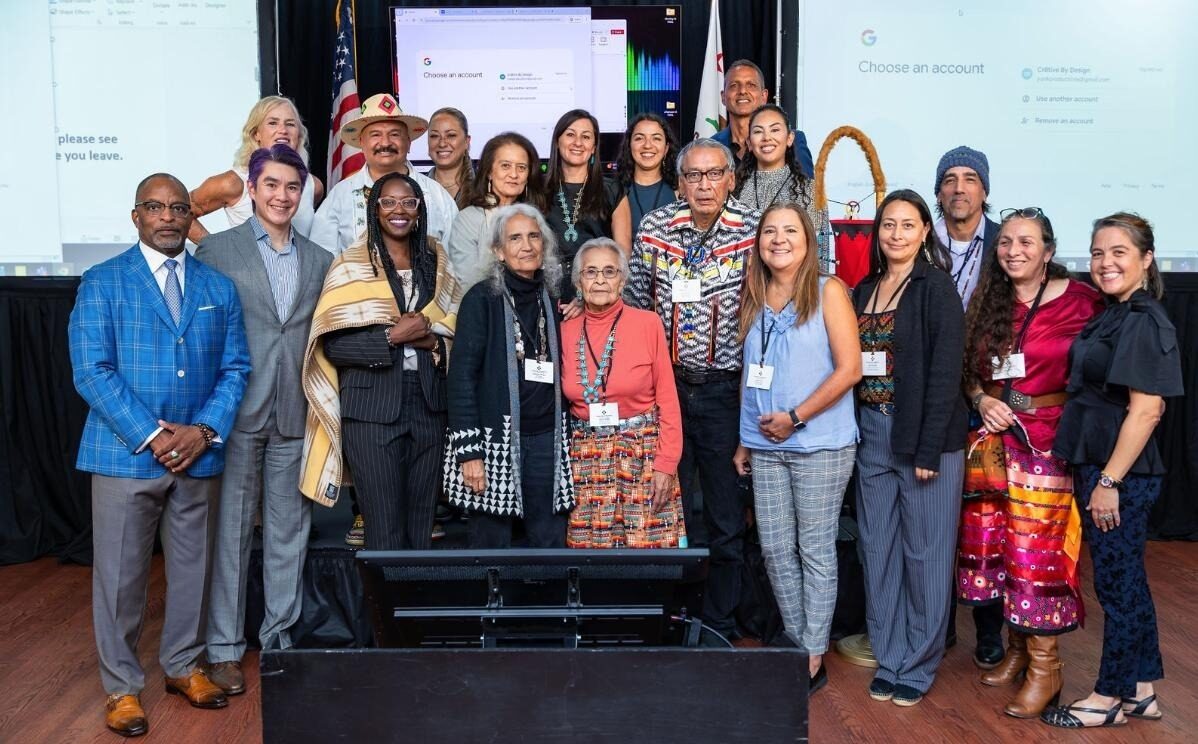
Photo from a Community Conversations event hosted by Friendship House/The Village.
Equitable community-led development remains a core priority for our team. We’re working on advancing systems change by transferring assets to community ownership, co-creating visions for change, and ensuring long-term accountability.
As part of this commitment, we are honored to continue our support for the people of Allensworth, a historic Central Valley farm community led by Colonel Allensworth and his vision back in 1910 for the first community founded and financed by Black Californians seeking self-determination, innovation, and prosperity. Since 2019, the Office of Kat Taylor has funded key programs, brokered key partnerships, and provided strategic advocacy to support renewal projects for the Allensworth Progressive Association.
“Kat Taylor and the TomKat Foundation didn’t make us fill out a grant application; they gave us seed money. They saw the work we were doing and said, ‘I want to help you build capacity.'”
— Denise Kadara, Allensworth Progressive Association.
Additionally, we continue to support Friendship House, a Native-led community organization, with connections, funding, and political advocacy. The Office of Kat Taylor has supported the development of Village SF, an indigenous-led healing campus in San Francisco’s Mission District, grounded in traditional practices and survivor-centered recovery. With shovel-ready plans in place, the Village SF is entering the final phase of its capital campaign and is on track to break ground in Spring 2026.
Financing the Future of Regenerative Agriculture
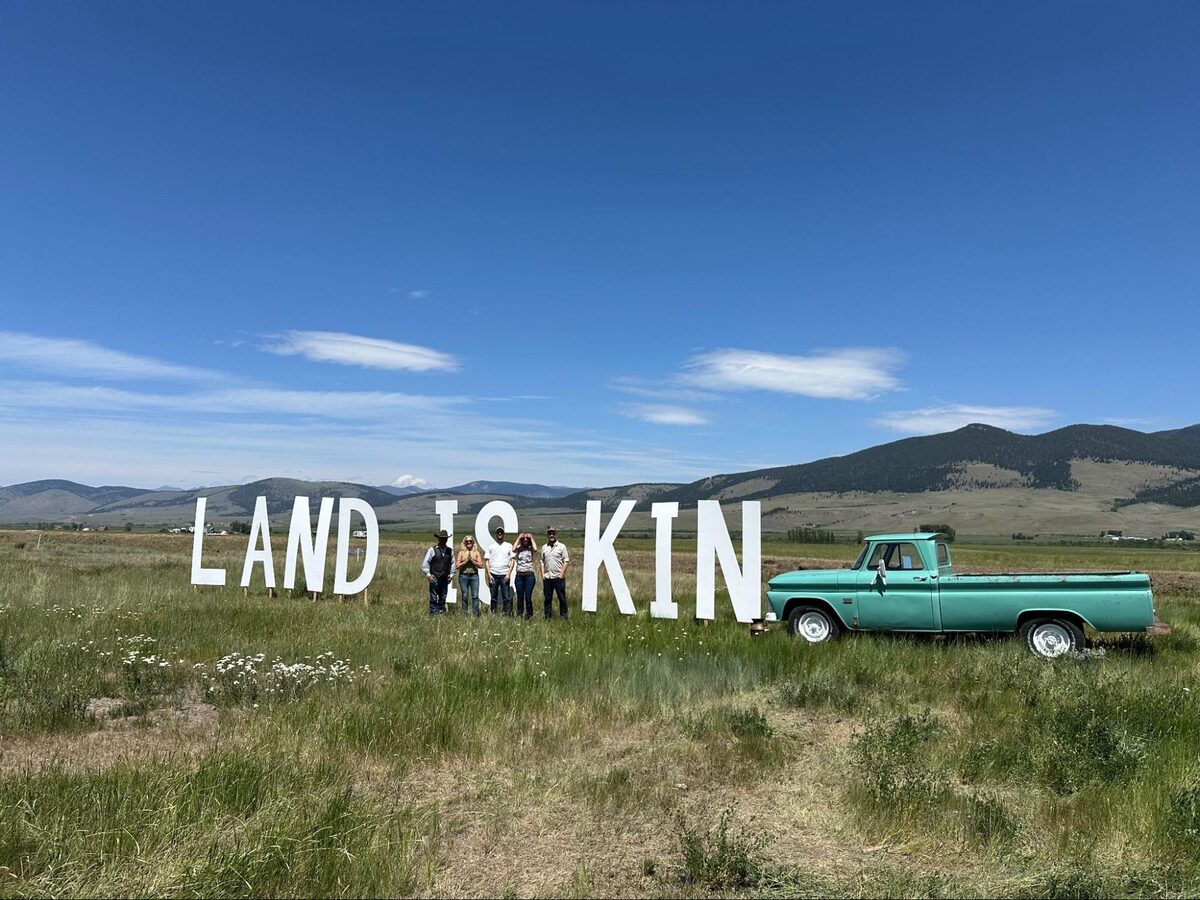
“Land is Kin” is the regenerative value celebrated at the 2025 Old Salt Festival
Widespread adoption of regenerative agriculture depends on fair and flexible financing. In 2025, we elevated the need for more equitable farm lending at major gatherings across the country, including at San Francisco Climate Week, New York Climate Week, The Old Salt Festival, and the PEI Investor Summit North America.
Collaborating with lenders and visionaries inside and outside the Farm Credit System, a new model for financing the future of regenerative agriculture has begun to resonate. Investors are increasingly interested in opportunities that generate long-term, stable returns for small farmers, while strengthening rural communities and local markets. By expanding access to aligned capital, producers can reinvest in their operations, unlock economic and ecological opportunities, and build resilience amid an increasingly chaotic climate and economic landscape.
Alongside promoting innovative agricultural lenders that provide better credit to hundreds of farmers, we are partnering with former USDA FSA Administrator Zach Ducheneaux to develop an innovative credit model to restructure farm finance and enable producers to invest in themselves and a food-secure, sovereign future.
It’s remarkable that some of the world’s oldest wisdom, caring for soil and biodiversity, is one of the most promising ways to future-proof investments in agriculture and make a good return on capital. We look forward to a day when farm bonds are once again a staple of the capital markets. In 2026, we will work to scale this approach by aligning institutional capital with regenerative finance tools to help more small farmers and ranchers thrive.
Beneficial State Bank:
A Year for Redefining Banking for Good
As we work to help reshape the financial system, Beneficial State Bank continues to demonstrate what a truly values-driven bank can look like in practice. Founded in 2007 by Tom Steyer and Kat Taylor, Beneficial State Bank is committed to transforming banking into a force for good. The bank’s economic rights were all contributed to Beneficial State Foundation to align ownership and management with the bank’s mission to deliver social and racial justice, environmental well-being, and financial sustainability through a new and resilient bank model.
The 2024 Impact Report, which was released in August 2025, highlights how the bank’s work supports economic mobility, environmental regeneration, and a better banking system.
2024 by the Numbers:
- Over 90% of lending advanced mission-aligned outcomes
- 65% of lending (by dollar amount) went to low-income communities
- Over 50% of originated commercial loans supported the affordable housing sector
- $0 in lending went to fossil fuels, private prisons, or weapons manufacturing
“We stand with all our stakeholders—customers, colleagues, communities, the environment upon which we depend, and the public at large—who recognize that now is the time to accelerate meaningful change in the banking system, because growing awareness of its flaws brings greater opportunity to fix them.”
— Beneficial State Bank Impact Report
Beneficial State Foundation:
Finding the Cracks Where Light Gets In
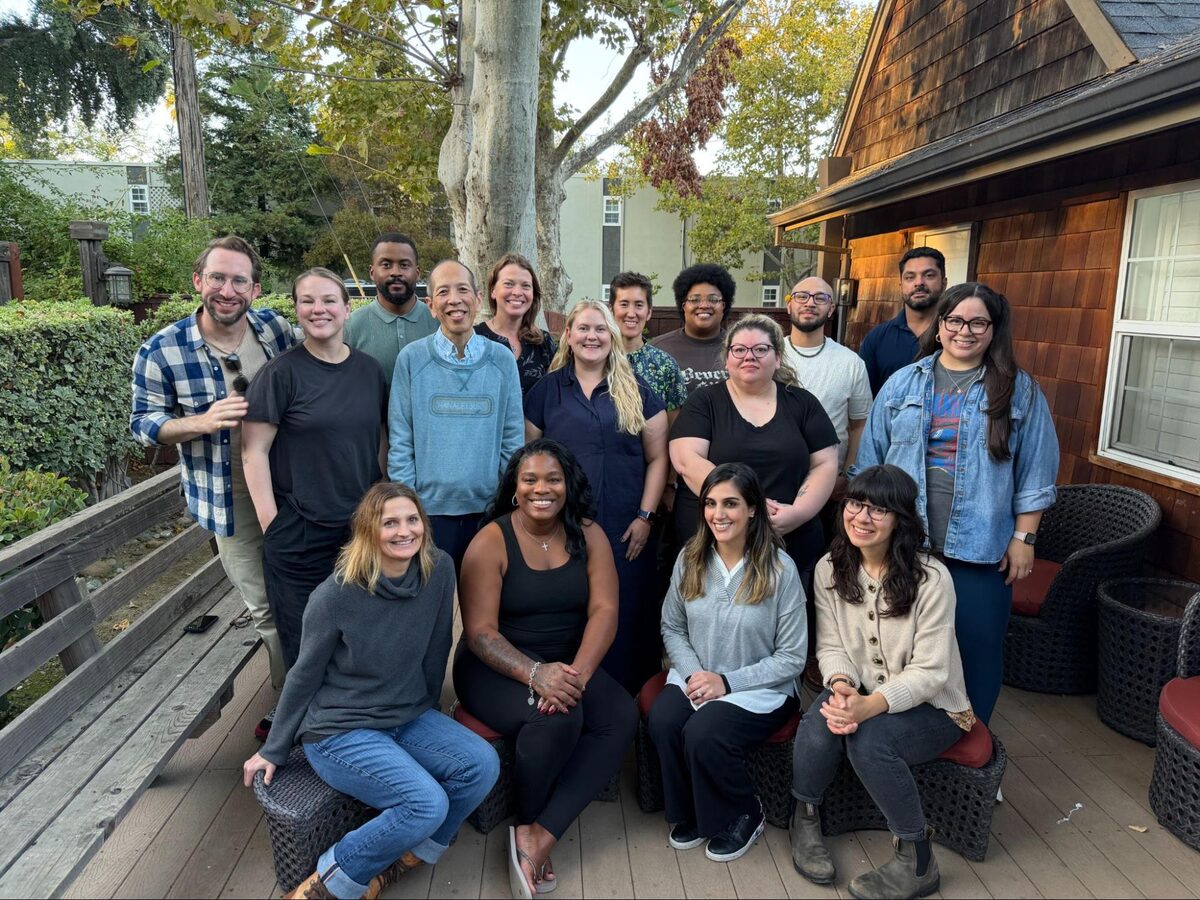
The Beneficial State Foundation team gathered in Davis, CA, for its annual all-staff retreat.
In a year that delivered no shortage of headwinds for fair banking, from policy whiplash to funding cuts, 2025 also offered steady signs that the movement toward a more equitable financial system continues to gain real traction.
At Beneficial State Foundation, work focused on propelling the banking system toward transparency, community power, and financial well-being for all. Within financial institutions, champions continued to step forward: research showed that seven in ten bankers want support to deepen community impact. This is a clear signal that the desire for better practices is strong across the industry.
Beneficial State Foundation’s Underwriting for Racial Justice Lender Pilot Program marked two years of testing data-driven, justice-centered approaches to help lenders recognize and address inequities embedded in traditional credit systems. Their Equitable Bank Standards continued to serve as a north star for people-first banking, and this year, they were adapted to provide early guidance in California’s efforts to establish newly chartered public banks.
Meanwhile, the Foundation’s Industry Relations team built connections with larger and more diverse institutions than ever before, while laying the groundwork for a forthcoming case study series that is already earning early recognition for its blend of video and impact storytelling.
2025 had its cracks, but the light still found its way through. Read the recap about What Moved Banking Forward in 2025.
Championing Democracy Through the Rule of Law
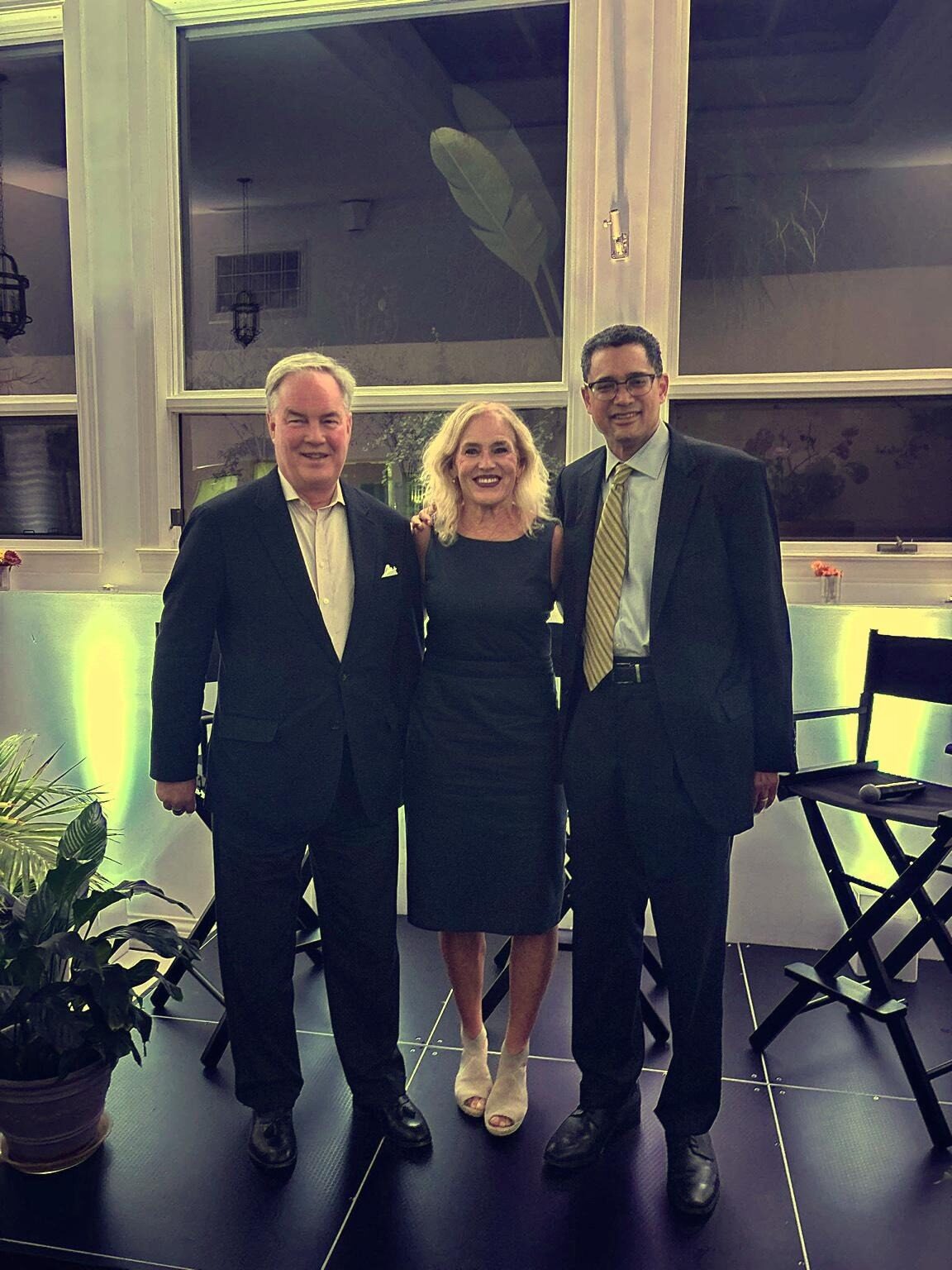
Kat Taylor with Campaign Legal Center speakers (L-R: Trevor Potter, CLC, Kat, Bruce Spiva, CLC).
Just as we work to transform food and finance, we know that none of this endures without a healthy democracy governed by the rule of law.
Recently, the Office of Kat Taylor hosted a convening with the Campaign Legal Center (CLC) to reaffirm how we can come together to protect and strengthen American democracy. The threats to our democracy are not abstract; they are real, present, and accelerating. Often hiding behind legal technicalities, cognitive dissonance, and institutional complacency, these threats might escape our resistance, but for longstanding institutions like CLC. While we may face unprecedented challenges now, CLC has worked on behalf of the American people for decades to hold our government accountable and uphold the rule of law.
CLC President Trevor Potter and Senior Vice President Bruce Spiva spoke to an engaged audience about the organization’s efforts through litigation and organizing to defend voters’ rights, ensure fair election rules, and uphold critical anti-authoritarian freedoms, such as the First Amendment right to dissent. In 2026, we will continue to gather for action to preserve the rights and liberties that enhance and protect democracy and our future.
TomKat MeDiA:
A Year of Creative Expansion and Mission-Driven Storytelling

In October, Deadline announced a new partnership between TomKat MeDiA and the acclaimed independent production company Killer Films. Under this collaboration, TomKat MeDiA will co-fund and develop select projects alongside Killer Films’ producing team, including the planned adaptation of Duff Wilson’s Pulitzer finalist eco-thriller, Fateful Harvest, and Box No. 1, which illuminates the import of Eleanor Roosevelt’s hidden love letters. The partnership signals a shared commitment to bold, socially significant narratives.
Also noteworthy this year was TomKat MeDiA’s ongoing investment in educational and cultural projects. TomKat MeDiA collaborated with El Teatro Campesino, founded by playwright and director Luis Valdez, on an initiative supported by the California State Library’s Civil Liberties Public Education Program. Together, we developed a 4th-grade public school curriculum for California and produced an audio recording of Valdez’s celebrated play, Valley of the Heart, which explores civil liberties violations such as the exclusion and internment of Japanese Americans during World War II.
Should financing move forward for a planned film adaptation of Valley of the Heart, these educational components will expand into a national impact campaign designed to deepen public understanding of past injustices and the ongoing importance of protecting civil liberties and a regenerative, sovereign food system. Through TomKat MeDiA, we’re complementing our policy and finance work with culture-shifting stories that illuminate the stakes of justice, history, and democracy from often unheard voices.
Thank You
Here’s to another year of resilience, progress, and shared victories. We look forward to deepening our collaboration with you in 2026 to advance shared prosperity, environmental well-being, and justice for all.
We’d love to hear your feedback on our partnership and work. Reply to this email to let us know your thoughts!
In community,

Kat Taylor & Team